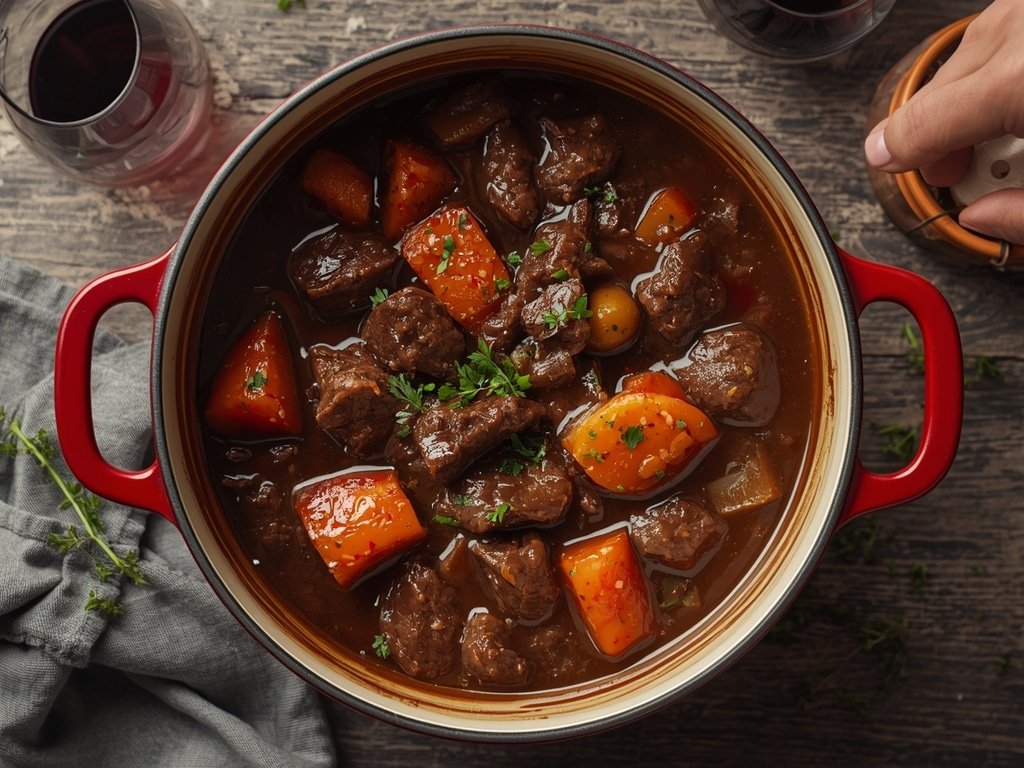
Guinness beef stew – the very words conjure up images of cozy nights, crackling fireplaces, and the rich, savory aroma of slow cooked comfort. This isn’t just any stew; guinness beef stew is a deeply flavorful and incredibly satisfying meal that has a special place in my heart. It reminds me of my own family gatherings, where this hearty dish often took center stage, filling our home with warmth and laughter.
Table of Contents
In my kitchen, guinness beef stew is more than just a recipe; it’s a tradition, a hug in a bowl, and a celebration of simple ingredients transformed into something extraordinary. Ready to experience the magic?
Why You Will Love This guinness beef stew Recipe
This guinness beef stew recipe is pure comfort food at its finest. Imagine tender chunks of beef, simmered to perfection in a rich gravy infused with the distinctive flavor of Guinness. The depth of flavor is incredible, and it’s surprisingly easy to make. Seriously, you can’t go wrong!
What makes this particular recipe special? It’s the perfect balance of savory, slightly sweet, and deeply satisfying flavors. It’s a savory beef stew that’s perfect for a chilly evening, a special occasion, or simply when you need a hearty, flavor packed meal. Plus, the aroma that fills your kitchen as it simmers away is simply divine.
Follow us on Pinterest for more comforting and delicious recipes! Discover a treasure trove of culinary inspiration and delightful dishes to brighten every meal!You’ll love how easily this recipe comes together, and trust me, everyone around your table will thank you. If you enjoy a hearty meal like this, you may also enjoy Slow Cooker Corned Beef.
Ingredients Needed for This guinness beef stew Recipe
Here’s what you’ll need for this unforgettable guinness beef stew.
- Beef:
- Vegetables:
- Liquid:
- Seasoning:
- Thickening:
- Garnish:
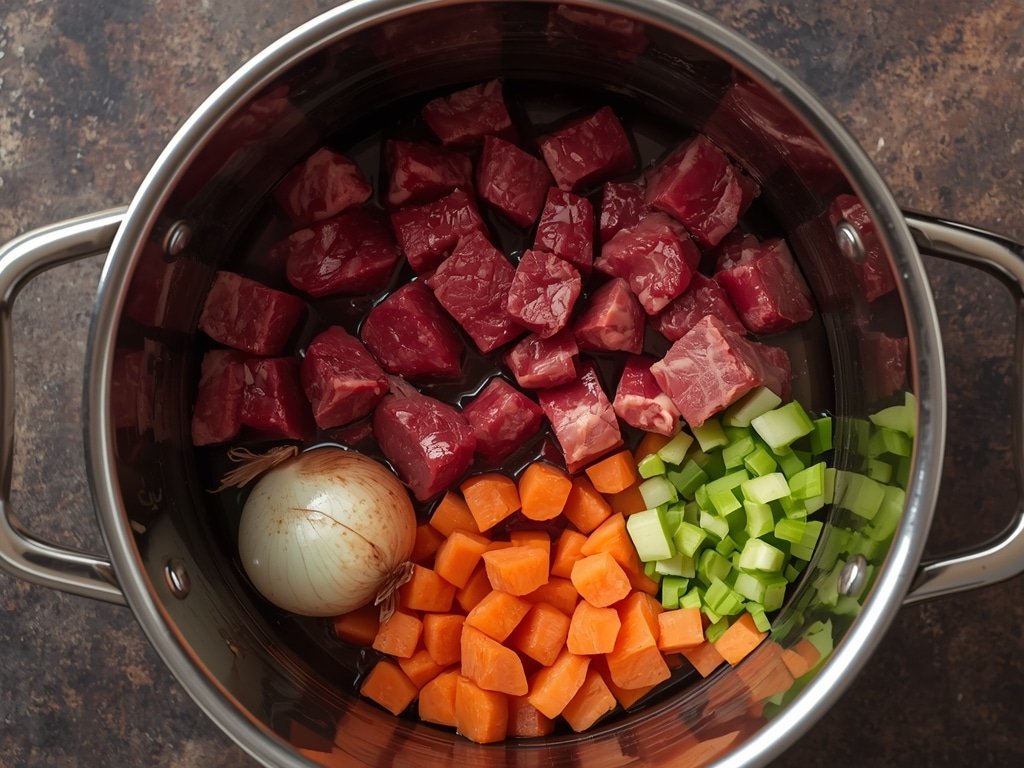
How to Make This guinness beef stew Recipe
Here’s how to transform those humble ingredients into a masterpiece of flavor:
- 1. Sear the Beef: In a large Dutch oven or pot, heat the olive oil over medium high heat. Season the beef cubes generously with salt and pepper. Sear the beef in batches until browned on all sides. Remove the beef and set aside.
- 2. Sauté the Vegetables: Add the chopped onion, carrots, and celery to the pot and cook until softened, about 5 to 7 minutes. Add the minced garlic and cook for another minute until fragrant.
- 3. Deglaze the Pot: Pour in the Guinness stout to deglaze the pot, scraping up any browned bits from the bottom. Bring to a simmer and let it reduce slightly, about 3 to 5 minutes.
- 4. Combine Ingredients: Stir in the beef broth, Worcestershire sauce, and tomato paste. Add the bay leaves and dried thyme. Return the seared beef to the pot.
- 5. Simmer: Bring the stew to a simmer, then reduce the heat to low, cover, and cook for at least 2.5 to 3 hours, or until the beef is very tender. For an even easier weeknight meal, consider trying a recipe for Instant Pot Corned Beef and Cabbage 3.
- 6. Add Potatoes: About 30 minutes before the end of the cooking time, add the cubed potatoes to the stew. Continue to simmer until the potatoes are tender.
- 7. Thicken the Stew: In a small bowl, whisk together the flour and cold water to create a slurry. Gradually stir the slurry into the stew, ensuring it’s well incorporated. Simmer for a few minutes until the stew thickens to your desired consistency.
- 8. Season and Serve: Remove the bay leaves and season the stew with additional salt and pepper to taste. Garnish with fresh parsley, if desired. Serve hot and enjoy!
How to Serve This guinness beef stew Recipe
This guinness beef stew is fantastic served on its own in a hearty bowl. However, you can also serve it with a side of crusty bread for soaking up all that delicious gravy. Mashed potatoes or creamy polenta also make excellent accompaniments. Consider pairing it with a simple green salad for a balanced meal. Serve with a great homemade side dish, such as delicious dumplings.
How to Store This guinness beef stew Recipe
- Refrigeration: Store leftover guinness beef stew in an airtight container in the refrigerator for up to 3 to 4 days.
- Freezing: For longer storage, freeze the stew in freezer safe containers for up to 2 to 3 months. Thaw overnight in the refrigerator before reheating.
- Reheating: Reheat the stew on the stovetop over medium heat, stirring occasionally, until heated through. You may need to add a little extra beef broth if the stew has thickened too much.
Tips to Make This guinness beef stew Recipe
- Beef Selection: Beef chuck is the best cut for stewing because it has a good amount of marbling that breaks down during cooking, resulting in tender and flavorful beef.
- Browning the Beef: Don’t skip the step of searing the beef. This adds a rich, caramelized flavor to the stew. Make sure not to overcrowd the pot when searing to ensure proper browning.
- Guinness Substitute: If you don’t have Guinness, you can use another dark stout or even a dark ale in a pinch. The flavor will be slightly different, but still delicious.
- Vegetable Variations: Feel free to add other vegetables to your stew, such as parsnips, turnips, or mushrooms.
- Herb Options: Instead of dried thyme, you can use fresh thyme sprigs tied with kitchen twine. Remove the herbs before serving.
Helpful Notes for This guinness beef stew Recipe
The quality of your beef broth will significantly impact the flavor of the stew. Use a good quality beef broth or homemade stock for the best results. Cutting the beef into uniform sizes will ensure even cooking. Also, don’t be afraid to adjust the seasoning to your liking. Taste as you go and add more salt, pepper, or other spices as needed. To further enrich the taste of this savory beef stew, add a tablespoon of balsamic vinegar towards the end of cooking.
Variation of This guinness beef stew Recipe
- Vegetarian Version: For a vegetarian version, substitute the beef with hearty mushrooms, such as cremini or portobello. Use vegetable broth instead of beef broth.
- Spicy Twist: Add a pinch of red pepper flakes or a chopped jalapeño to the stew for a spicy kick.
- Slow Cooker Method: You can easily adapt this recipe for the slow cooker. Sear the beef and sauté the vegetables as directed, then transfer everything to a slow cooker. Cook on low for 6 to 8 hours. If you want an interesting spin on this, check out Easy Crock Pot Corned Beef and Cabbage 2.
What makes Guinness beef stew so special?
Guinness adds a unique depth of flavor, providing a slightly bitter and roasted maltiness that complements the rich beef and vegetables. The slow cooking process allows the flavors to meld together perfectly, creating a deeply satisfying dish.
Can I use a different type of beer in Guinness beef stew?
While Guinness is traditional, you can substitute with other dark beers like stout or porter. However, be aware that each beer will impart a subtly different flavor to your stew.
What’s the best way to thicken Guinness beef stew?
You can thicken Guinness beef stew by adding a cornstarch slurry (cornstarch mixed with cold water) towards the end of cooking. Alternatively, you can remove some of the cooking liquid and reduce it on the stovetop before adding it back to the stew.
What vegetables are best in Guinness Beef Stew?
Traditional recipes often include carrots, potatoes, and onions. Some people also add parsnips or celery for added flavor and texture. Feel free to adjust based on your preference.
Conclusion
There you have it – a deeply comforting and flavorful guinness beef stew that’s sure to become a new favorite in your kitchen. I hope this recipe brings as much joy to your table as it has to mine. Don’t hesitate to customize it to your liking and make it your own! Give this guinness beef stew a try, and let me know what you think in the comments below!

Guinness Beef Stew: The BEST EVER Irish Comfort Food
- Total Time: 3 hours 15 minutes
- Yield: 6 servings 1x
Description
A hearty and flavorful Guinness beef stew with tender beef, vegetables, and a rich Guinness gravy. Perfect for a cozy night in!
Ingredients
- 2 pounds beef chuck, cut into 1 inch cubes
- 2 tablespoons olive oil
- 1 large onion, chopped
- 2 carrots, peeled and chopped
- 2 celery stalks, chopped
- 4 cloves garlic, minced
- 1 (14.9 ounce) can Guinness stout
- 4 cups beef broth
- 1 tablespoon Worcestershire sauce
- 1 teaspoon tomato paste
- 2 bay leaves
- 1 teaspoon dried thyme
- Salt and pepper to taste
- 1 pound Yukon Gold potatoes, peeled and cubed
- 2 tablespoons all purpose flour
- 1/4 cup cold water
- Fresh parsley, chopped (optional)
Instructions
- 1. In a large Dutch oven or pot, heat the olive oil over medium high heat. Season the beef cubes generously with salt and pepper. Sear the beef in batches until browned on all sides. Remove the beef and set aside.
- 2. Add the chopped onion, carrots, and celery to the pot and cook until softened, about 5 to 7 minutes. Add the minced garlic and cook for another minute until fragrant.
- 3. Pour in the Guinness stout to deglaze the pot, scraping up any browned bits from the bottom. Bring to a simmer and let it reduce slightly, about 3 to 5 minutes.
- 4. Stir in the beef broth, Worcestershire sauce, and tomato paste. Add the bay leaves and dried thyme. Return the seared beef to the pot.
- 5. Bring the stew to a simmer, then reduce the heat to low, cover, and cook for at least 2.5 to 3 hours, or until the beef is very tender.
- 6. About 30 minutes before the end of the cooking time, add the cubed potatoes to the stew. Continue to simmer until the potatoes are tender.
- 7. In a small bowl, whisk together the flour and cold water to create a slurry. Gradually stir the slurry into the stew, ensuring it’s well incorporated. Simmer for a few minutes until the stew thickens to your desired consistency.
- 8. Remove the bay leaves and season the stew with additional salt and pepper to taste. Garnish with fresh parsley, if desired. Serve hot and enjoy!
- Prep Time: 15 minutes
- Cook Time: 3 hours
- Category: Main Course
- Cuisine: Irish
Nutrition
- Calories: 450
- Sugar: 8g
- Sodium: 600mg
- Fat: 25g
- Saturated Fat: 12g
- Carbohydrates: 30g
- Fiber: 5g
- Protein: 30g
- Cholesterol: 100mg